

A Homeowner’s Guide from Cardinal Home Service in Shelton, WA
Imagine this: You walked into your home after a storm or a long weekend away — and something feels off. There’s a subtle dampness in the air, and as you get closer to the living room wall, you notice it — a dark, discolored patch spreading like a stain on an old photo. The drywall looks soft, maybe sagging. You start to worry: Is this just cosmetic? Or is my home at risk?
If you’re seeing water damage on your drywall, you’re not alone — and you don’t have to navigate it alone. At Cardinal Home Service in Shelton, WA, we’ve helped countless homeowners figure out what to do next, avoid bigger problems, and restore walls with confidence.
Let’s walk through exactly what every homeowner needs to know — step by step — so you can take smart action today.
Step 1: Don’t Ignore the Signs
Water doesn’t always announce itself with flooding. Often the first sign is on your walls:
- Yellow, brown, or dark stains
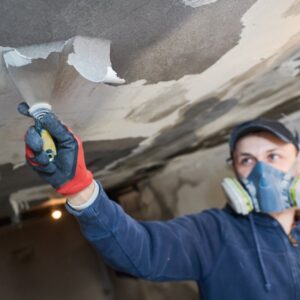
- Paint bubbling, cracking, or peeling
- Wall feels soft or spongy to the touch
- Musty odor lingering in the room
These are classic indicators that water has intruded into your drywall and possibly beyond. If you’re seeing any of these signs, you already have a problem worth addressing before it worsens.
Step 2: Stop the Water Source — First and Foremost
Before thinking about drywall repair, you must stop the water from coming in.
Whether it’s:
- A leaky pipe behind the wall
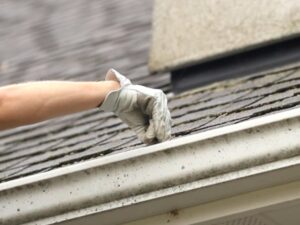
- A roof leak after heavy rains
- Condensation from high humidity
- A faulty appliance in an adjoining room
Identifying and fixing the source of the water is the critical first step. If water continues to enter, any repair will be temporary — and costly in the long run.
Tip: In Shelton’s wetter months — especially fall and winter — slow roof leaks or poor window seals are common culprits.
Step 3: Assess the Severity of the Damage
Once the source is stopped, the next question is: How bad is the damage?
Drywall reacts to water in different ways:
- Mild discoloration with no structural changes might be salvageable.
- Soft spots, sagging, or crumbling material means the drywall has lost strength.
- Mold growth or a musty odor signals a deeper problem that needs professional attention.
Many homeowners make the mistake of just painting over a stain — but paint can’t stop what’s happening underneath. The wall could still be damp, mold could be growing, and structural integrity may be compromised.
Step 4: Dry It — Completely and Correctly
Once you know the water has stopped coming in, you need to dry the area thoroughly. Surface drying isn’t enough — moisture can hide deep inside wall cavities, studs, and insulation.
Here’s what helps:
- High-powered fans to circulate air
- Dehumidifiers to remove moisture from the air
- Open windows when weather allows
- Specialized drying equipment (in serious cases)
It’s not uncommon for drying to take 24–72 hours depending on how much water was involved.
If the drywall was soaked for more than a day or two, or if mold is visible, you should consult professionals — because hidden moisture can lead to structural deterioration and unhealthy living conditions.
Step 5: Decide — Repair or Replace
Here’s where many homeowners get stuck: Can I repair this, or do I need a full replacement?
Repair may be possible if:
✅ The drywall is dry and feels firm
✅ Water exposure was minimal and recent
✅ There’s no mold or lingering odor
✅ The damage is limited (small discolorations or surface issues)
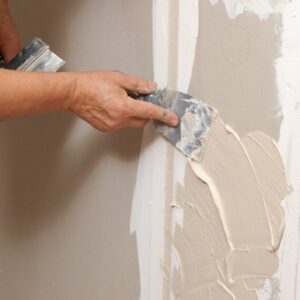
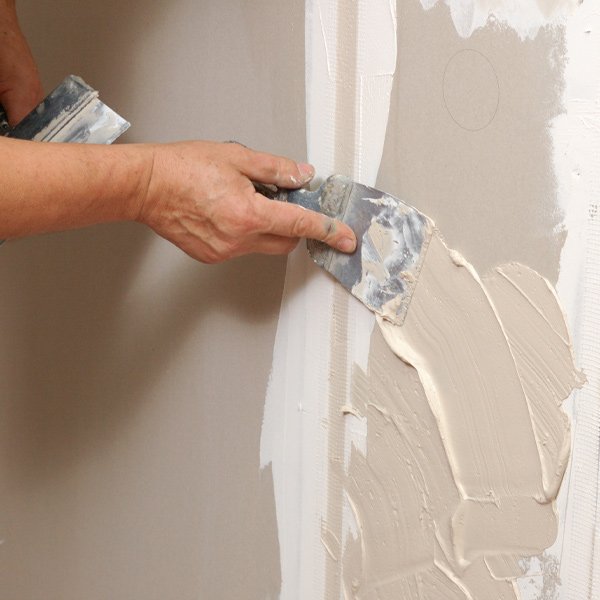
In these cases, sanding, priming, and repainting — along with some cosmetic patching — can restore the wall.
Replace may be necessary if:
❌ The drywall feels soft, saggy, or crumbling
❌ Moisture sat in the wall too long
❌ There’s visible mold growth
❌ Insulation behind the wall is wet
❌ Multiple square feet of wall are compromised
Wet drywall loses its structural integrity quickly. According to our friends at Advanced Disaster Recovery Inc., even if it looks dry on the surface, inner layers can still harbor moisture and mold spores.
Step 6: Get It Done Right — With Help When Needed
If the repair is straightforward, some homeowners may choose a DIY route on small surface areas. But drywall water damage often involves layers you can’t see — insulation, studs, and trapped moisture.
Here’s what a professional team like Cardinal Home Service does for you in Shelton:
🔹 Thorough inspection, including moisture mapping behind walls
🔹 Safe removal of all compromised materials
🔹 Mold prevention and treatment when needed
🔹 Drywall replacement and finishing that blends seamlessly
🔹 Painting and finishing to match your home’s interior
Taking shortcuts on water damage can lead to recurring issues — like mold returning weeks later or walls weakening over time.
Protect What Matters Most: Your Home + Your Health
Water damage isn’t just a cosmetic issue — it’s a threat to your home’s structure and your family’s health. The sooner it’s handled correctly, the less expensive and invasive the solution will be.
At Cardinal Home Service in Shelton, WA, we help you:
✔ Know exactly what you’re dealing with
✔ Make the right call between repair and replacement
✔ Get the job done safely and professionally
Don’t wait until that patch becomes a bigger problem. If your drywall shows signs of water damage, reach out to your local professionals — we’re here to help you restore comfort, function, and peace of mind.