

You want your home in Shelton, WA, to feel like a refuge — quiet when you need focus, warm when you want comfort. The problem: thin walls, noisy neighbors, and drafty rooms that steal your peace (and your heating dollars). Cardinal Home Service helps homeowners like you fix that — not by selling mystery products, but by guiding you to drywall solutions that actually work.
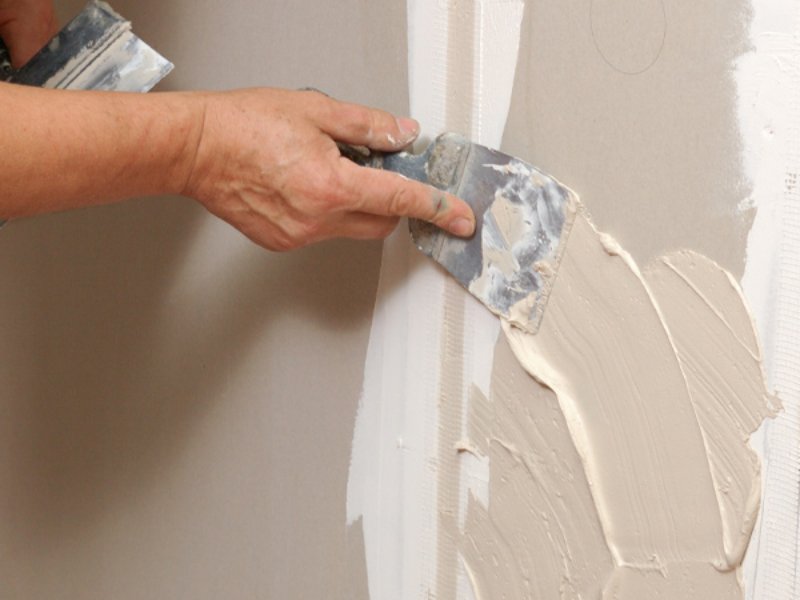
Walls are more than paint and studs. Drywall is the final, visible layer of a wall system, but it plays a surprisingly big role in both sound control and thermal performance. The right drywall, used as part of a smart system, reduces sound transmission, dampens vibration, and helps your insulation do its job. When you understand what drywall can — and cannot — do, you make confident choices that save money and deliver the quiet, comfortable home you deserve.
How Drywall Reduces Noise (and when you need more than drywall)
Standard gypsum board provides modest sound blocking because of its mass: the heavier and denser a panel, the harder it is for airborne noise to pass through. But soundproofing is a system, not a single material. Two high-impact strategies are commonly used:
• Add mass or special damping layers — soundproof drywall panels use constrained-layer damping to convert sound energy into heat, improving performance without massively increasing wall thickness. These engineered panels (like QuietRock) are designed to outperform regular drywall by using a viscoelastic core that dissipates sound.
• Decouple and isolate — installing drywall on resilient channels or staggered/isolated stud assemblies separates the drywall from framing so vibration can’t travel directly through the structure. This mechanical decoupling raises the wall’s STC (Sound Transmission Class) far more effectively than adding drywall mass alone. But the channels must be installed correctly — if they’re fastened improperly, they won’t help.
Putting these tactics together — acoustic-grade drywall, resilient channels, and proper cavity insulation — is how homeowners get real results. Industry guides and manufacturer data show multi-layer and decoupled systems can move STC ratings from the mid-30s (typical single-layer residential walls) into the 50s or higher for high-performance assemblies.
Why Insulation and Drywall Go Hand-in-Hand
Insulation’s primary job is thermal resistance (R-value), but it also contributes to sound control by filling cavities and absorbing airborne noise. Mineral wool (rock wool) and dense fiberglass both help reduce noise in wall cavities, with mineral wool offering higher density and often better acoustic performance per inch — though installation quality matters more than the specific SKU. Adding insulation alone won’t solve structure-borne noise (like footfall or vibrations), but combined with acoustic drywall and decoupling, it’s a powerful part of the system.
What Cardinal Home Service recommends for Shelton Homeowners
You want a quiet, energy-efficient home. Fortunately, Cardinal Home Service is your guide with a simple plan:
- Diagnose the problem: Is the noise airborne (voices, music) or structure-borne (footsteps, thumps)? Different problems need different fixes.
- Attack weak points: Seal gaps and outlets, add cavity insulation, and choose a drywall strategy — either a sound-dampening panel or a double-layer system with decoupling.
- Build the system correctly: Use resilient channels or staggered studs where needed, install acoustic-rated drywall or a layer of damping board, and finish with proper caulking and sealing to stop flanking paths.
This plan focuses on solutions that give measurable gains — quieter rooms, better sleep, and more consistent indoor temperatures — without wasting money on single-item “fixes.” (For example, adding only a heavier drywall layer without addressing flanking or decoupling rarely gives the expected improvement.)
A Few Quick Truths to Guide Your Choice
- Soundproof drywall can save space compared with stacking multiple standard drywall layers and delivers damping benefits that ordinary gypsum can’t.
- Decoupling (resilient channels, isolation clips) is often the most cost-effective way to tackle low-frequency noise, but installation must be done right.
- According to our friends at Acoustical Surfaces, insulation improves both thermal and acoustic performance; mineral wool is denser and often better for acoustics, but correct installation matters most.
Enjoy Your Privacy Again
If noisy walls or chilly rooms are stealing your comfort in Shelton, WA, Cardinal Home Service can inspect your spaces and propose a tailored drywall + insulation solution that balances cost, space, and performance. You deserve a home that feels private and comfortable — we’ll help you get there with clear recommendations and quality installation.
Let Cardinal Home Service show you what a quieter, warmer home feels like — and why the right drywall system is more than a finish, it’s part of the solution.